
When you think of your immune system, you probably imagine an elite army standing guard against invaders like viruses or bacteria. But in reality, your immunity is less of a wall and more of a sophisticated, lifelong conversation. The primary partner in this dialogue is your microbiota—the trillions of microbes in your gut that act as the “drill sergeants” of your immune cells. Together, they form a complex molecular circuitry that begins the moment you are born and helps shape health trajectories throughout life.
This microbial “boot camp” begins during the first 1,000 days of life, a critical window where your internal ecosystem is rapidly established. We aren’t born with a fully trained immune system; instead, it matures through a high-stakes “boot camp” influenced by everything from birth mode to early feeding. For instance, breastfeeding supplies Human Milk Oligosaccharides (HMOs) that act as specialized rations for Bifidobacterium, helping them create an acidic protective shield in the gut. Simultaneously, early exposure to microbial components puts your immune cells through their paces, training your Pattern Recognition Receptors (PRRs) to stay calm and distinguish between a true threat and a harmless bystander.
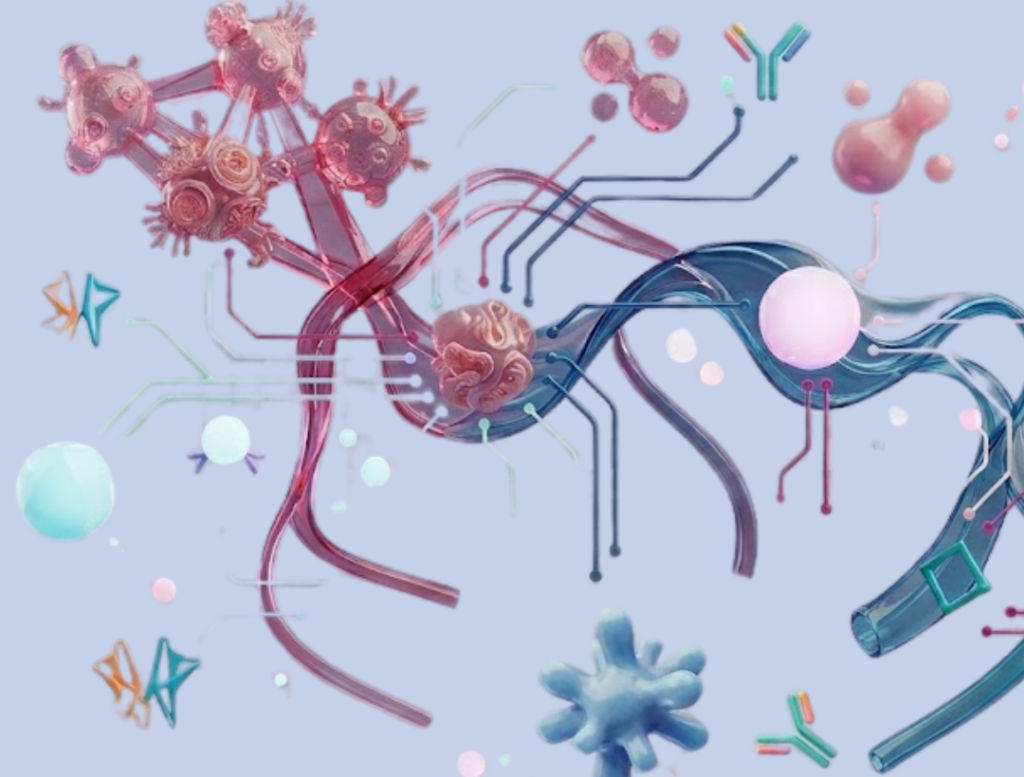
When this early-life training is disrupted—whether by early antibiotics or excessive sterility—the immune system can leave camp “uneducated,” potentially increasing the risk of allergies, asthma, and autoimmune disorders later in life. As we grow, this relationship evolves into a high-speed chemical exchange. Bacteria act as microscopic factories, producing specific metabolites that allow them to “talk” to your immune cells. These messengers, such as Short-Chain Fatty Acids (SCFAs) like butyrate, act as peacekeepers by promoting the production of Regulatory T-cells to suppress inflammation. Other signals, like tryptophan derivatives, tell your immune system to keep the gut barrier tight and leak-proof, while secondary bile acids instruct macrophages to remain in a non-inflammatory state.
These molecules can reach physiologically significant concentrations and exert systemic effects, functioning as important endogenous signaling mediators. This chemical dialogue is what maintains the delicate balance between tolerance and reactivity. In a healthy state, your microbes help the immune system ignore harmless substances like food proteins or pollen. However, if communication between cells breaks down, the body can launch a misguided Type 2 immune response—the biological equivalent of friendly fire—leading to the allergic sensitization we see in food allergies or atopic dermatitis. Conversely, a well-calibrated microbiota may help support a more balanced and regulated immune response to pathogens such as SARS-CoV-2, potentially reducing the risk of excessive inflammatory responses.
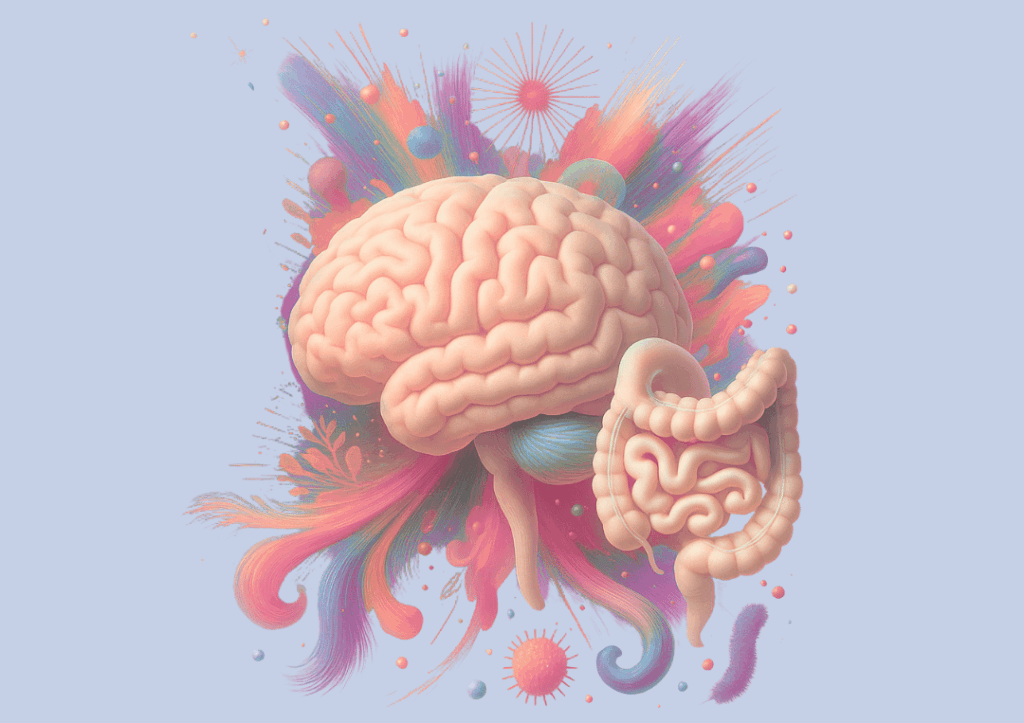
When this balance shifts into dysbiosis, the consequences are far-reaching. Modern medicine is realizing that microbial imbalance has been implicated in a wide range of chronic inflammatory diseases, regardless of where they manifest. Whether the inflammation is in the joints, skin, or lungs, the source of the dysregulation often traces back to the gut command center.
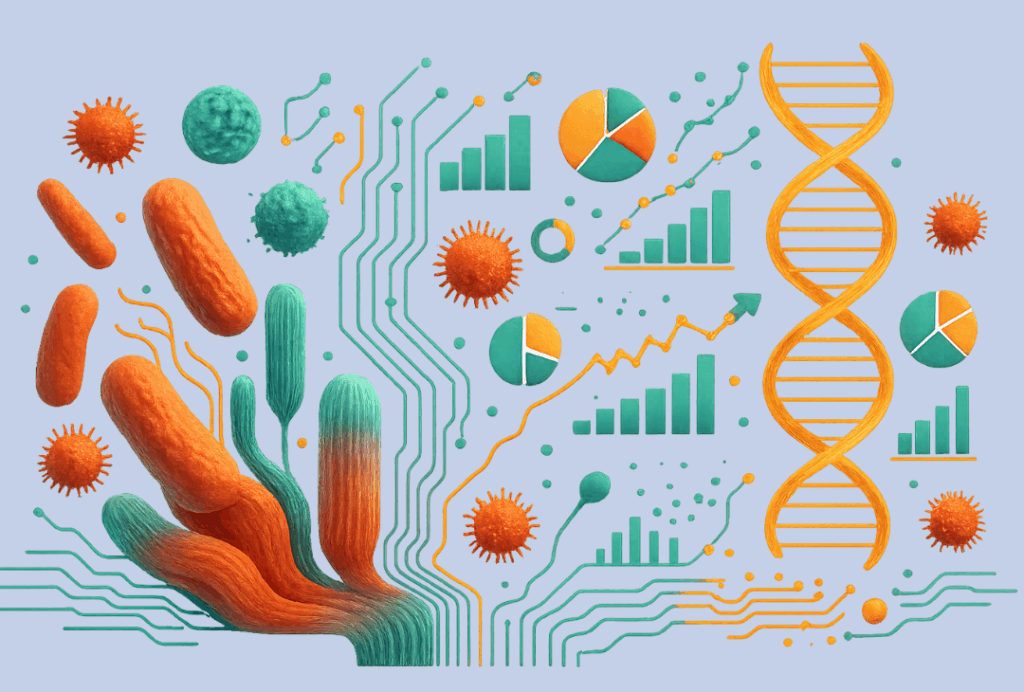
This has shifted the focus of precision medicine toward the gut-immune axis as the central control tower for systemic health. We are now moving beyond one-size-fits-all solutions and entering the era of Precision Microbiome Therapy. By integrating multiomics—a combination of genomics, transcriptomics, and metabolomics—we can identify microbial patterns and functional signatures associated with immune development and disease risk, and map the specific signatures that serve as early warning signs for disease.
At Sequentia Biotech, we are dedicated to closing the gaps in this molecular circuitry. Our portfolio of related services and solutions provides the high-resolution functional data needed to move from observing dysbiosis to understanding the exact chemical dialogue driving it. Whether you are a researcher or a clinician, a systems biology approach provides the clarity needed to develop the next generation of microbial interventions and turn complex data into a healthier future.
Are you ready to explore the biological insights hidden within your data?
References
Kim, S., Ndwandwe, C., Devotta, H., Kareem, L., Yao, L., & O’Mahony, L. (2025). Role of the microbiome in regulation of the immune system. Allergology International, 74(2), 187–196. https://doi.org/10.1016/j.alit.2024.12.006
Feng, J. J., Maddirala, N. R., Fleur, A. S., Zhou, F., Yu, Di, Wei, F., & Zhang, Y. (2025). Gut Microbiome and Immune System Crosstalk in Chronic Inflammatory Diseases: A Narrative Review of Mechanisms and Therapeutic Opportunities. Microorganisms, 13(11). https://doi.org/10.3390/microorganisms13112516
SEQUENTIA® BIOTECH SL
Barcelona
+34 930 107 368
* Sending the email implies acceptance of the Privacy Policy.

MICK® is co-founded by the European Union - grant agreement 190195702

European Union Funding H2020 Research and Innovation programme - grant agreement #868117

MICK® does not claim to diagnose, treat, cure, or prevent any disease. The information on the MICK® website is provided for informational purposes only and with the understanding that MICK® is not engaged in rendering medical advice or recommendations. You should not rely on any information on the website to diagnose or treat a health problem or condition or replace consultations with qualified health care professionals to meet your individual needs. Always check with your doctor for answers to your personal medical questions.
Copyright © Sequentia® Biotech 2024